Source Portable Hydraulic Pressure Test Kit for Fluid Systems
Find and compare 30 portable hydraulic pressure test kit options for fluid pressurized and high-pressure testing applications. Evaluate specifications such as drive modes, working mediums, and control accuracy to select the right equipment for your industrial needs; compare the available evidence and request quotations based on your requirements.
Key considerations
Products List

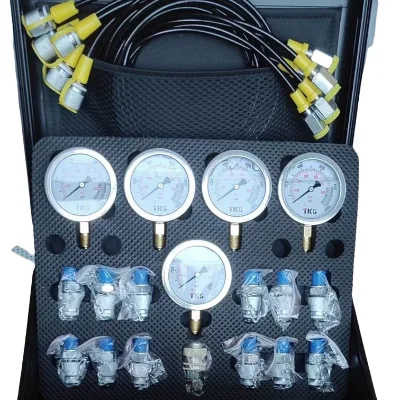


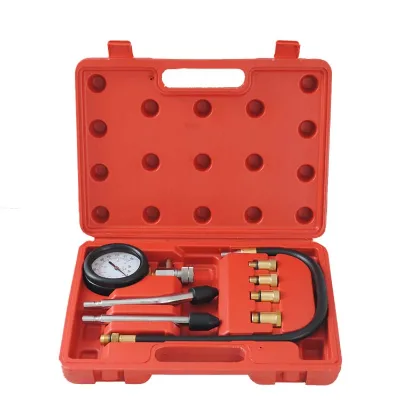


Comprehensive Sourcing Guide
Portable Hydraulic Pressure Test Kit Sourcing Guide
Procuring a portable hydraulic pressure test kit requires a clear understanding of the specific testing environment and the mechanical constraints of the target components. Buyers must first determine whether the application involves static strength testing or dynamic fluid pressurization, as these distinct use cases dictate the necessary drive modes and control architectures. The market offers solutions ranging from manual control systems to advanced computer-controlled units, each serving different operational needs. Understanding the distinction between a simple pressure testing kit and a full-scale compression or strength testing machine is critical for aligning technical requirements with budgetary constraints.
The selection process should also account for the physical characteristics of the workpiece, including its mass and maximum diameter. Suppliers often list specifications such as a maximum workpiece mass under 900kg or diameters less than 500mm, which may not suit larger industrial components. Conversely, some listings indicate capacities for workpieces exceeding 20,000kg with diameters greater than 3200mm. Buyers must carefully cross-reference these observed listing signals with their actual testing requirements to avoid purchasing equipment that is either underpowered or unnecessarily oversized for their specific quality assurance protocols.
Product Scope and Observed Listing Signals
The current market landscape for hydraulic pressure test kits reveals a diverse range of product types, including strength testing machines, compression testing machines, and specialized pressure testing kits. Observed listings indicate a wide variation in technical attributes, such as the position of the oil cylinder, which can be located either under or above the testing area. This variation suggests that buyers should not assume a standard configuration across all suppliers. Instead, they must verify the specific mechanical layout to ensure compatibility with their existing laboratory or production floor infrastructure, particularly regarding space constraints and load-bearing capabilities.
Another significant signal in the market is the diversity of drive modes and power sources available. While some units operate on AC220V power with electronic load control, others utilize compressed air driven booster pumps with a drive air range of 3-10 Bar. The working medium also varies, with options including water, hydraulic oil, or even corrosive liquids. Buyers must identify which working medium is compatible with the materials being tested to prevent contamination or damage. Additionally, the presence of customization options, such as OEM and ODM support, indicates that many manufacturers are willing to adapt standard designs to meet unique client specifications, providing flexibility for specialized industrial applications.
Technical Specifications to Verify
When evaluating technical specifications, the pressure range and control accuracy are paramount for ensuring reliable test results. Buyers should verify that the equipment offers a pressure range suitable for their application, with some units providing a range of 0 to 400MPa. It is equally important to check the pressure control accuracy, which may be specified as ±0.5%Fs or 0.1MPa increments. These metrics directly impact the precision of the testing process, especially when dealing with high-pressure components that require strict adherence to safety and performance standards. Inaccurate pressure control can lead to false failures or unsafe operating conditions.
The drive mode and maximum capacity of the system must also be closely examined to ensure they match the intended workload. Some systems feature a low-pressure air-driven type with a driven piston diameter of 160mm, while others may support dynamic loads with a maximum capacity under 1000KN. Buyers should also consider the weight of the unit, which can range from 20kg to over 500kg, affecting portability and installation requirements. Additionally, the control mode, whether manual, PLC, or computer-controlled, should align with the operator's skill level and the need for automated data logging. Verifying these specifications prevents mismatches between equipment capabilities and operational demands.
Compliance and Safety Documentation
Safety documentation is a critical component of any procurement process for high-pressure testing equipment. Buyers must ensure that the supplier provides comprehensive manuals detailing the operation of safety features, such as outlet pressure control valves and drive air regulator valves. These components are essential for preventing over-pressurization and ensuring that the system can be safely shut down in emergency situations. Without proper documentation, operators may not fully understand the limits of the equipment, leading to potential accidents or equipment damage. Therefore, verifying the availability of detailed safety guidelines is a non-negotiable step in the sourcing process.
In addition to operational manuals, buyers should inquire about the warranty terms and after-sales support provided by the supplier. A standard warranty period of one year is common, but the scope of coverage should be clearly defined. Buyers need to know whether the warranty includes parts, labor, and on-site service, as well as the lead time for replacement components. Understanding the warranty terms helps mitigate the financial risk associated with equipment failure. Furthermore, buyers should verify if the supplier offers training services to ensure that their staff can operate the equipment safely and effectively, reducing the likelihood of human error during testing procedures.
Cost Drivers and Commercial Terms
The cost of a portable hydraulic pressure test kit is influenced by several factors, including the complexity of the control system, the materials used in construction, and the customization options available. Units with computer control and high-accuracy pressure regulation typically command higher prices than those with manual control. Additionally, the use of premium materials such as stainless steel and aluminum can increase the cost due to enhanced durability and corrosion resistance. Buyers should request detailed quotations that break down these cost drivers to understand the value proposition of each option. This transparency allows for more informed decision-making and better budget allocation.
Commercial terms, such as minimum order quantity (MOQ) and packaging requirements, also play a significant role in the total cost of ownership. Observed MOQs can range from 1 to 800 units, depending on the supplier and the level of customization required. Packaging is typically done in marine plywood boxes to ensure safe transit, which adds to the shipping weight and volume. Buyers should consider the logistics implications of these terms, including storage space and handling requirements. Negotiating favorable commercial terms, such as flexible MOQs or consolidated shipping, can help reduce overall procurement costs and improve supply chain efficiency.
Supplier Qualification and Quality Control
Supplier qualification is essential to ensure that the purchased equipment meets the required quality standards. Buyers should verify the supplier's manufacturing capabilities, including their production facilities in regions like Shandong or Zhejiang, China. It is important to confirm that the supplier has a robust quality control process in place, from raw material inspection to final product testing. Buyers may request evidence of quality management systems or previous audit reports to assess the supplier's reliability. A qualified supplier will have a clear process for identifying and rectifying defects before shipment, ensuring that the equipment delivered is free from manufacturing flaws.
Quality control should also extend to the post-delivery phase, where buyers should establish clear protocols for inspection and acceptance. This includes verifying the model number, such as UBS-140B, and checking that all components are present and undamaged. Buyers should perform a functional test upon receipt to ensure that the equipment operates as specified. Any discrepancies should be reported immediately to the supplier for resolution. Establishing a strong relationship with the supplier based on mutual trust and clear communication can facilitate smoother issue resolution and foster long-term partnership, ensuring consistent quality in future procurements.
Long-Term Procurement Checks
Long-term procurement success depends on regular maintenance and performance monitoring of the hydraulic pressure test kit. Buyers should develop a preventive maintenance schedule that includes regular inspection of seals, hoses, and pressure gauges to prevent leaks and ensure accurate readings. The working medium, whether water or hydraulic oil, should be checked for contamination and replaced as needed to maintain system integrity. By adhering to a strict maintenance regimen, buyers can extend the lifespan of the equipment and minimize downtime, ensuring that testing operations remain uninterrupted and reliable over time.
Additionally, buyers should periodically review the supplier's support services and product updates to stay informed about any improvements or new features. This includes monitoring for firmware updates for computer-controlled units or enhancements to the pressure control mechanisms. Engaging with the supplier for feedback on equipment performance can also provide valuable insights for future procurement decisions. By maintaining an active dialogue with the supplier, buyers can ensure that their testing equipment remains up-to-date with industry best practices and continues to meet their evolving quality assurance needs.
FAQs
What customization options are available for this machine?
Customization is available for this strength testing machine. Buyers can request OEM, ODM, or Obm support to tailor the equipment. The control mode can be set to manual, PLC, or computer control. This allows users to adapt the machine to specific testing requirements and operational workflows.
How is the power source configured for operation?
The power source is configured as AC220V for standard operation. This ensures compatibility with common industrial electrical systems. The machine operates as a new unit with standard power consumption. Users should verify their local voltage matches the AC220V requirement before installation.
Which pressure range does the testing kit support?
The pressure range supported is 0 to 400MPa. This high-pressure capability allows for rigorous fluid pressurized and high-pressure testing applications. The pressure control accuracy is maintained at 0.1MPa or ±0.5%Fs. This ensures precise measurements during various material strength tests.
Can the machine handle workpieces over 20000kg?
Yes, specific models can handle workpieces with a mass scope greater than 20000kg. These units are designed as compression testing machines for heavy industrial loads. The maximum capacity reaches under 1000KN for standard models, while others support larger masses. Verify the specific model number for exact weight limits.
What is the warranty period for the equipment?
The warranty period is 1 year for the supplied equipment. This covers standard defects and operational issues under normal use conditions. The product is sold as a single item with marine plywood box packing. Buyers should review the warranty terms for specific coverage details.
How is the oil cylinder positioned in the system?
The oil cylinder position varies by model, appearing either under or top mounted. This configuration depends on the specific machine type, such as strength or compression testing units. The drive mode utilizes electronic load or air-driven systems. Users should check the specific product model for the exact cylinder arrangement.
What working medium is used for pressure testing?
The working medium includes liquid media such as water or hydraulic oil. Some models also support oil, water, and corrosive liquids for diverse testing needs. The pressure source may be a Terek air-driven booster pump. This flexibility allows the kit to handle various fluid pressurized applications effectively.